How Tribal Women Empower Their Communities Through Crafts
For ages, Tribal handicrafts have been an essential component of human culture. In the handicraft sector, women have been especially important in passing traditional knowledge and methods from one generation to the next. The creative worth, social value, and economic potential of Indian handicrafts products have recently come to light. This blog will discuss the role of handicrafts in empowering women, as well as the effects they have on women’s lives.
The Role of Women in the Tribal Handicraft Industry
In India, women often achieve financial independence through the handicraft sector. It gives them the chance to make a living and become financially independent.
Because women are frequently the main guardians of cultural heritage, their involvement in handicrafts will ensure that these traditions continue. By increasing the number of women working in the handicraft sector, we can prevent the loss of these talents.
Since craft-based skills can be practiced from home, don’t require expensive equipment, and are easy to learn, they offer special potential in rural economies. They can be easily learned, are adaptable, and can be turned into goods that appeal to both domestic and international markets.
Women can work via craft training without having to move or give up their domestic duties. Moreover, it offers a social setting for group entrepreneurship, peer education, and cooperation. Tribal handicrafts training is a chance for long-term development, self-expression, and financial independence for communities with poor infrastructure and job access.
Ways to Involve More Women in the Tribal Handicrafts Industry
Even though women have made significant improvements to the handicraft sector, many barriers still stand in their way of full involvement. These obstacles include cultural stereotypes, discrimination based on gender, and limited access to resources, education, and training.
Several Options to Increase the Participation of Women in the Handicraft Sector:
Training and Skill Development Efforts
Access to the right abilities is the first step towards empowering women. Women artists can improve the quality and appearance of their crafts by learning both traditional and modern techniques through a variety of training programs and workshops.
Developing digital literacy can help them become more self-assured as independent producers and open up new opportunities, such as learning how to market and sell items online.
Financial Support and Microbusiness
Financial resources are essential for the growth of female craftspeople. Women can launch their own small companies with the support of cooperative models, self-help groups, and microloans. They may increase output, make advances in superior materials, and become financially independent with the right support and direction.
Market and E-Commerce Platform Access
The secret to long-term success is to help female artists in expanding their market reach. Visibility and revenue are increased by teaching them how to sell on e-commerce sites and putting them in touch with handmade crafts fairs or exhibitions.
They may confidently compete in both domestic and international markets if they have an awareness of branding, pricing, and packaging.
One of the handicraft industry’s flaws is that it can be unclear, which leaves it vulnerable to resource exploitation in terms of pay and working conditions. Women Artisnas need to be educated on these topics in order to be uplifted, and they also need operational and financial support.
These social changes take time, but with the help of groups like Bamboo pecker, Varnam, 100 Hands, and many more, we can preserve traditional sustainable crafts and ultimately advance gender equality.
Join the Movement with Adivasi Trove Empower Tribal Women Through Handmade Crafts
FAQs
What are tribal handicrafts?
Indigenous cultures use ancient methods, organic resources, and symbols of culture to create traditional art forms known as tribal handicrafts.
What types of crafts are made by tribal women in India?
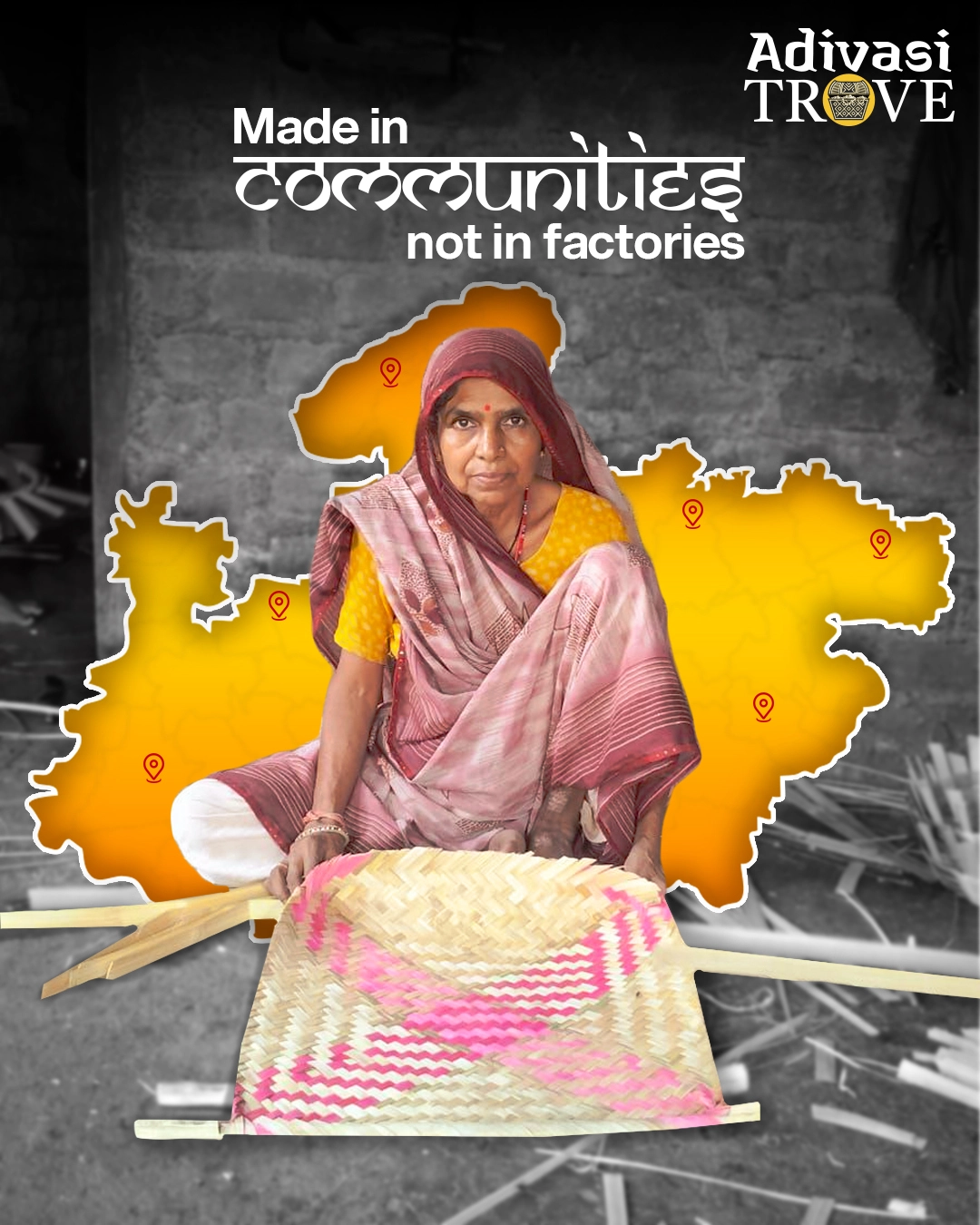
Using traditional methods, tribal women produce a variety of handmade crafts, including handwoven textiles, bamboo crafts, ceramics, Tribal jewelry, tribal art paintings, and natural pooja items.
How do I take care of handmade crafts?
Keep them away from moisture, handle gently, clean with a dry cloth, and avoid harsh chemicals.
Why are handmade crafts expensive?
Handmade Crafts made by hand require skill, patience, and high-quality materials. When compared to mass-produced goods, the value of a single product is increased by the hours or days that artisans spend creating it.